SAY MY NAME
Crystal meth was most likely most popularized by the AMC tv show breaking bad. Thats even where i first heard or the substance. The tv show follows the downward spiral of high school chemistry teacher Walter White (Bryan Cranston) after he was diagnosed with cancer and decided to make and distribute meth to make enough money to provide for his family after he was gone. but it really originated from Japan, where methamphetamine was first synthesized in 1893 by a chemist named Nagai Nagayoshi from ephedrine. The crystalline form of methamphetamine was developed later, with significant advancements occurring in 1919 when it was crystallized, making it more potent and easier to produce. Additionally, during World War II, it was synthesized for medical use, further contributing to its history.


|
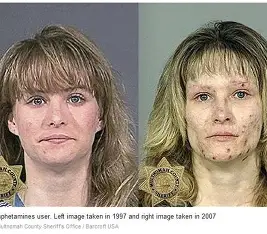
THE BEFORE AND AFTER
crystal meth has harsh effects on the people Who use it leaving lasting effects on their mind, body, and the freinds and family. The picture above shows just how badly people are effected, it shows a woman in 1997 to 2007 and you can really see just how hard substances can have effect on you.
|
CRYSTAL METH
You can always get help on getting clean or dropping an addiction. It will always be a struggle to just go cold turkey and let go of using substances all the way from caffine all the way to crystal meth. Even if you wanted too it will be a struggle to lose a habit. One place you can go for help is The Haven Detox with their 24/7 line at "(520) 525 2117". But there are even more places to get help no matter who you are or where you live.

|
THE TEETH AFTER AND BEFORE
Methamphetamine (crystal meth) use significantly impacts oral health, leading to severe and rapid deterioration often referred to as meth mouth. This condition involves extensive tooth decay and other forms of oral damage. Its progression can be quick and linked to crystal meth use. The teeth often appear blackened, stained, rotting, and crumbling, sometimes breaking or falling out entirely. But if you get clean and your left with meth mouth there is ways too help with getting your teeth back. Basic restorative procedures like fillings address cavities, while extractions are necessary for teeth that are beyond repair. Crowns and bridges can restore the function and appearance of damaged or missing teeth. When extensive tooth loss occurs, dentures or dental implants offer options for rehabilitation replacing missing teeth and restoring chewing ability. These interventions aim to rebuild oral function and improve overall quality of life. Beyond immediate repairs, ongoing oral treatment is important for maintaining long-term oral health, including consistent brushing, flossing, and regular dental check-ups.

|