The Common Street Names of Salvia:
- Purple Sticky
- Maria Pastora
- Sage of the Seers
- Divner's Sage
- Sally-D
- Magic Mint
- Ska Pastora
- Hierba (yerba) Maria
- Shepherdess's Herb
- Leaf of Prophecy
- Lady Salvia
- Lady Sally
- The Female
- Incense Special
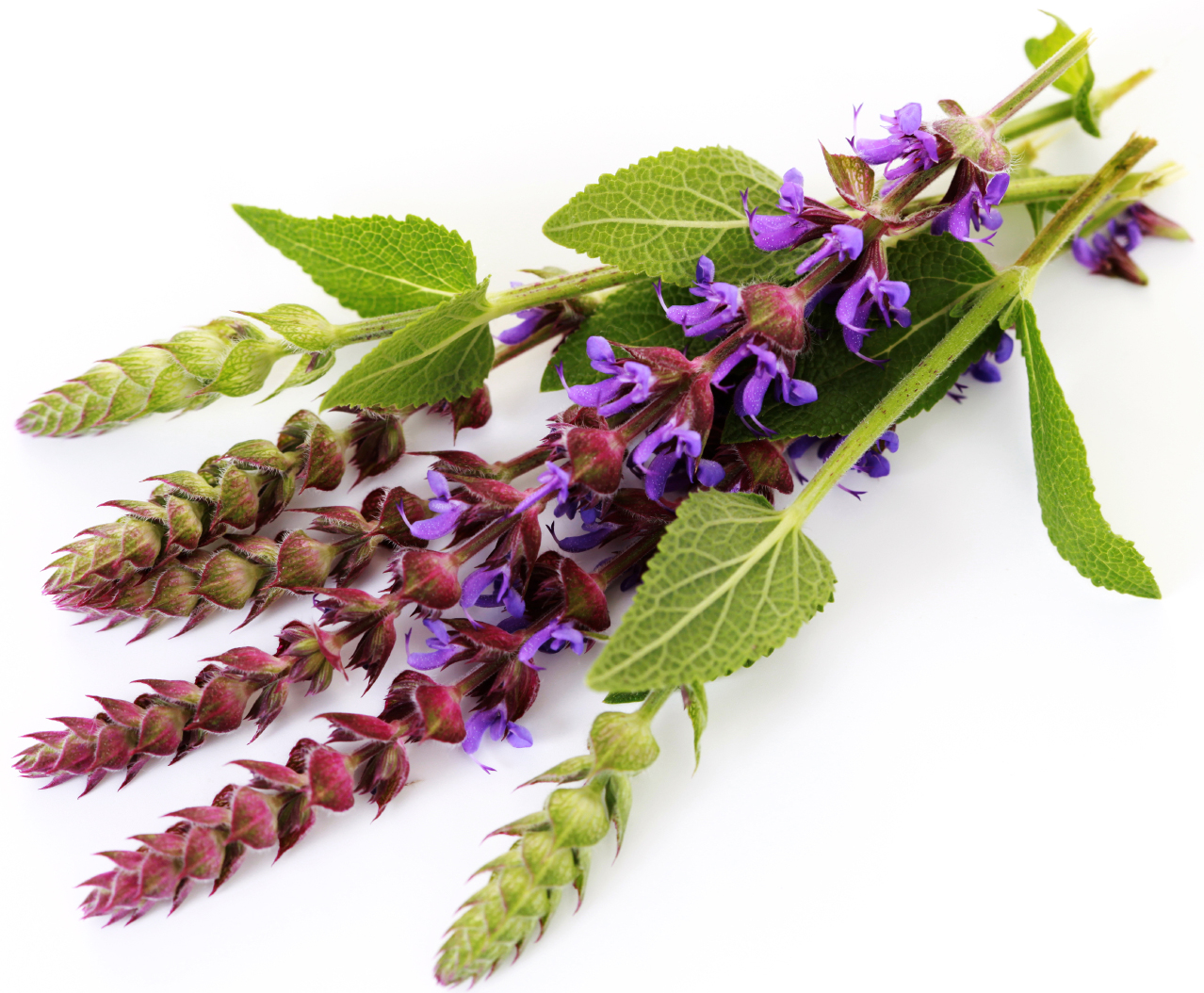
Botany
Salvia divinorum has large green ovate leaves, with a yellow undertone that reach 10 to 30 cm long. The leaves have no hairs on either surface, and little or no petiole. The plant grows to well over 1 metre in height, on hollow square stems which tend to break or trail on the ground, with the plant rooting quite readily at the nodes and internodes.

Is Salvia Legal?
Currently, salvia isn't approved for any medical use in the U.S. It is also not controlled under Congress's Controlled Substances Act. That means individual state laws apply to salvia but no federal ones.
How Does Salvia Affect Your Brain and Body?
Salvinorin A, salvia's active ingredient, impacts the brain in unclear ways. Reasearchers continue to study the drug to better understand its effects. It's thought that this ingredient attaches to th nerve cells in your body to create a variety of hallucinogenic effects. Effects on the brain include:
- Visual and auditory hallucinations, such as seeing bright lights, vivid colors, or extreme shapes.
- Distorted reality and altered perceptions of surroundings.
- Feeling as if you're having an "out-of-body" experience or feeling detached from reality.
- Slurred speech
- Anxiety or fear from a "bad trip."
These effects may occur rapidly, within five to ten minutes of smoking or inhaling the drug. Although these effects, or "the high," can be short-lived, some people may experience a salvia "high" for several hours. Some physical effects are also possible, including:
- Nausea
- Dizziness
- Possible loss of control over motor functions and coordination
- Irregular heart rate
History of Salvia
Salvia divinorum is native to the Sierra Mazateca in Oaxaca, Mexico, where it is still used by the Mazatec. Salvia is one of several plant species with hallucinogenic properties that are ritually used by Mazatec shamans. The history of the plant is not well known, and there has been no definitive answer to the question of its origin. Speculation includes Salvia divinorum being a wild plant native to the area, a cultigen of the Mazatecs; or a cultigen introduced by another Indigenous group. Botanists have also not been able to determine whether it is a hybird or a cultigen.
Academic Discovery
Salvia divinorum was first recorded in print by Jean Basset Johnson in 1939 while he was studying Mazatec shamanism. He later documented its use and reported its effects through personal testimonials of users. It was not until 2002 that Byran Roth and his team identified the psychoactive mechanism.
What Are the Side Effects or Risks?
Salvia studies are few and far between, but researchers are looking to better understand how the drug works and what effects it may have on the body and brain. Because research is limited, the list of possible side effects and risks is short. However, the possible issues are serious and worth consideration. These include:
- Dependency: Salvia isn't considered addictive, but many people who use it become accustomed to using the drug for the "high" effects. Regular use can be cause for concern.
- Physical Side Effects: A small 2011 study found that people who use salvia, either alone or with alcohol or other drugs, were more likely to experience neurologic, cardiovascular, and gastrointestinal side effects.
- Effects on Learning and Long-Term Memory: A 2011 animal study found that salvia use may have negative effects on learning and impair long-term memories. This study was conducted in rats, so it's unclear how this translates to humans,
Anxiety
Some salvia users may experience fear or anxiety. They may worry about having a "bad trip" that could include disturbing sensations, thoughts, or hallucinations. People with an anxiety disorder may be more prone to panic attacks, paranoia, and anxiety while using salvia. However, anyone who uses it is at risk of experiencing these effects.
Is Salvia Addictive?
Salvia is not typically considered physically addictive, but it can lead to psychological dependence in some individuals. While it does not exhibit the classical signs of addiction, such as complusive use or withdrawal symptoms, some users may develop a pattern of frequent use to relieve intense experiences. Experts generally do not classify salvia as an addictive substance, but it may be associated with broader issues of substance use.
Signs of Salvia dependency include:
- Using more often or in higher doses than intended.
- Thinking about Salvia frequently or craving it.
- Prioritizing Salvia over responsibilities at work, school, or home.
- Experiencing anxiety or depression when not using.
- Struggling to stop despite negative consquences
Why It's Hard to Quit
Quitting Salvia is not always simple. The brain's reward system becomes accustomed to the intense alterations cause by salvinorin A. Over time, normal activities, school, work, socializing, may feel dull in comparison.
Treatment and Recovery from Salvia Dependency
While Salvia does not typically require medical detox like opioids or alcohol, structured treatment is still essential. Addressing the psychological and emotional aspects of dependency gives people the best chance at success.
Treatment options include:
- Therapy and counceling: Cognitive Behavioral Therapy (CBT) helps individuals break the cycle of negative thoughts and behaviors.
- Inpatient rehab: For those needing a structured, supportive environment.
- Outpatient rehab: Provides flexibility for those balancing work, school, or family while receiving treatment.
- Family therapy: Restores trust and creates a stong support network at home.
- Peer support grooups: Programs like SMART Recovery or 12-step meetings offer community and accountability.
- Holistic practices: Exercise, nutrition, and mindfulness promote overall balance and mental health.
Brett's Law
A particular focus of many US media stories is the long-running coverage of the case of Brett Chidester, a 17-year-old Delaware student who committed suicide in January 2006 by carbon monoxide poisoning. Reportedly, some months before this, Brett's mother Kathleen Chidester had learned about his salvia use and questioned him about it. Brett said that he had ceased his experimentation, but his parents did not believe that he was telling the truth. They have instead argued that salvia-induced depression was largely to blame for his death. Some of Brett's earlier writings about his salvia experiences have been used to suggest that it made him think "existence in general is pointless." Some media stories have referred to these earlier written experience reports as if they were part of Brett's suicide note.A law was soon passed in Delaware classifying the herb as a Schedule I controlled substance in that state. This legislation was nicknamed Brett's law.